
Customer CRM Explained
What It Is, What It’s For, and Why Businesses Depend on It

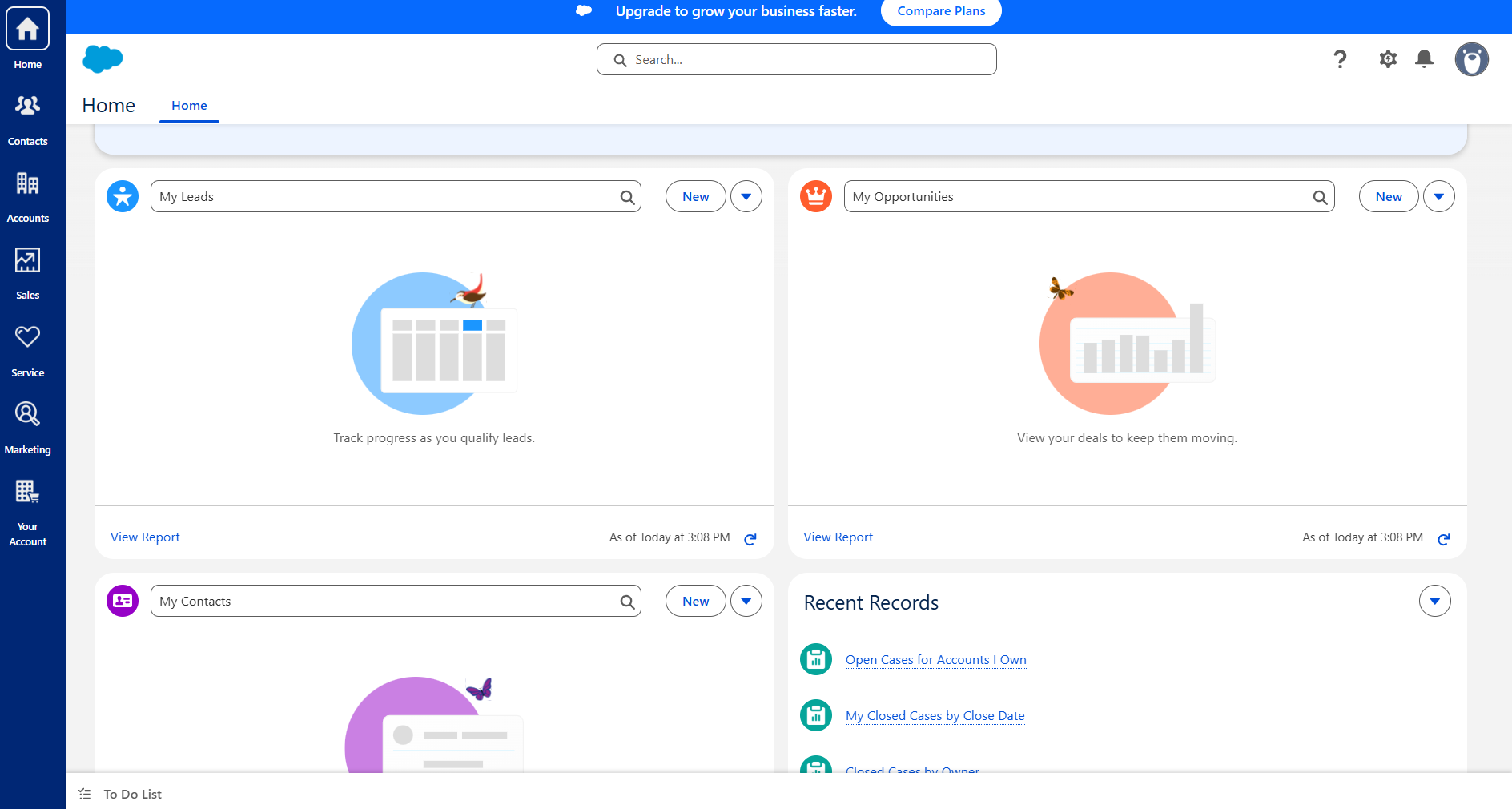
Businesses don’t just sell products or services—they build relationships. That’s where a Customer CRM becomes essential. Whether a company is small, growing, or enterprise-level, understanding customers and managing interactions efficiently can be the difference between growth and stagnation.
This guide explains what a Customer CRM is, what it’s used for, and the real value it delivers to a business, using clear examples and simple language.
What Is a Customer CRM?
A Customer CRM (Customer Relationship Management) system is a centralized platform that stores, organizes, and manages all customer information and interactions in one place.
Instead of tracking customers through emails, spreadsheets, sticky notes, or disconnected apps, a CRM system gives businesses a single source of truth for everything related to customers.
A Customer CRM typically stores:
Contact details (name, email, phone, company)
Communication history (emails, calls, meetings)
Purchase and order history
Support requests and service tickets
Sales opportunities and deal stages
Notes, reminders, and follow-ups
At its core, a CRM helps businesses understand who their customers are, what they need, and how to serve them better.
What Is a Customer CRM Used For?
A Customer CRM supports multiple areas of a business, from sales and marketing to customer support and management.
1. Managing Customer Information
A CRM keeps customer data accurate, organized, and easy to access. Anyone on the team can instantly see:
Who the customer is
What they’ve purchased
Past conversations
Current needs or issues
This prevents lost information and miscommunication.
2. Improving Sales Processes
Sales teams use CRM software to:
Track leads and prospects
Manage sales pipelines
Monitor deal stages
Set reminders for follow-ups
Examples of popular CRM tools include:
Salesforce, known for its powerful sales tracking and custom dashboards
→Read this blog about Salesforce to learn more about its features.
HubSpot CRM, favored for its intuitive interface and free tier
Zoho CRM, widely used by small and medium-sized businesses
Microsoft Dynamics 365, popular in enterprises that already use Microsoft products
These tools help sales teams collaborate, spot opportunities, and close deals faster.
3. Strengthening Customer Relationships
A Customer CRM helps businesses treat customers like individuals, not numbers.
By seeing purchase history and preferences, teams can:
Personalize communication
Recommend relevant products
Anticipate customer needs
For example, HubSpot CRM allows marketing and support teams to share notes and automate personalized follow-ups.
4. Supporting Customer Service Teams
Customer support teams rely on CRM systems to:
Track service tickets
Monitor response times
Resolve issues efficiently
Maintain customer satisfaction
Tools like Freshsales (Freshworks CRM) offer built-in support ticketing systems so reps never miss a customer issue.
5. Automating Everyday Tasks
Modern CRM platforms automate repetitive work, such as:
Sending follow-up emails
Assigning leads to sales reps
Scheduling reminders
Updating deal statuses
Automation features are strengths of CRM tools like Zoho CRM and Salesforce, freeing teams to focus on high-value customer engagement.
Popular Customer CRM Tools Businesses Use
Here are some of the most widely used Customer CRM software in the market today:
🔹 Salesforce
One of the most powerful and customizable platforms, Salesforce helps businesses manage sales, service, marketing, and analytics in one place. Its ecosystem of apps and integrations makes it ideal for businesses of all sizes.
🔹 HubSpot CRM
Known for its user-friendly design, HubSpot CRM is often the first choice for small businesses and startups. It includes free basic features and scales with paid marketing and sales add-ons.
🔹 Zoho CRM
A flexible and affordable option, Zoho CRM offers tools for sales automation, analytics, process management, and AI-powered insights. It’s popular with growing companies.
🔹 Microsoft Dynamics 365
Part of the Microsoft product family, Dynamics 365 combines CRM and ERP capabilities. It’s particularly strong for enterprises using Outlook, Teams, and Azure ecosystems.
🔹 Freshsales CRM
Part of the Freshworks suite, Freshsales provides strong automation, in-app phone and email, and AI-driven lead scoring, making it effective for customer support and sales teams alike.
The Value of a Customer CRM to a Business
1. Better Decision-Making
With built-in reports and dashboards from CRM software like Salesforce or Zoho CRM, businesses get insights into:
Sales performance
Customer behavior
Revenue trends
Conversion rates
Leaders can make decisions based on data, not guesswork.
2. Increased Revenue
By improving sales efficiency, follow-ups, and customer retention, a Customer CRM directly contributes to revenue growth.
Businesses using CRM systems often see:
Higher lead conversion rates
Shorter sales cycles
Increased repeat customers
3. Improved Team Collaboration
A CRM creates alignment across teams. Sales, marketing, and support all see the same customer data, reducing confusion and duplicated work.
CRM tools like HubSpot and Microsoft Dynamics 365 make it easy for cross-department communication.
4. Stronger Customer Retention
Retaining customers is cheaper than acquiring new ones. A CRM system helps businesses:
Identify loyal customers
Spot churn risks early
Deliver consistent, positive experiences
Happy customers stay longer and spend more.
5. Scalability as the Business Grows
As companies expand, manually tracking customers becomes unreliable. A Customer CRM scales with growth, handling thousands—or millions—of customer records without losing control.
Real-World Examples of Customer CRM Use
Example 1: Small Business
A local services company uses HubSpot CRM to track appointments, customer history, and follow-ups, leading to higher repeat business.
Example 2: E-Commerce Store
An online retailer uses Salesforce CRM to segment customers by buying behavior and send personalized email campaigns that increase sales.
Example 3: B2B Company
A B2B firm uses Microsoft Dynamics 365 to coordinate sales reps working long sales cycles and manage large deals with multiple decision-makers.
Example 4: Customer Support Center
A support team uses Freshsales CRM to track issues, reduce response times, and improve customer satisfaction.
Why Customer CRM Is Essential Today
Customers expect fast responses, personalized experiences, and consistent communication. Without a Customer CRM, businesses struggle to provide this level of service.
A CRM system is a core business tool that:
Improves efficiency
Strengthens customer relationships
Increases revenue
Supports long-term growth
Final Thoughts
A Customer CRM does more than store contact information—it transforms customer data into meaningful insights and actions. By helping teams stay organized, responsive, and data-driven, a CRM becomes a strategic asset in building stronger customer relationships and growing the business.
Investing in a Customer CRM, whether it’s Salesforce, HubSpot CRM, Zoho CRM, or Microsoft Dynamics 365, empowers businesses to deliver better experiences and achieve long-term success.

Thank you for reading this blog article.
If you like this blog and want to read more feel free to follow me on Medium. More to come and thanks for the support.
You can find my Medium blog articles here

If you’d like to explore my books, please visit my Amazon Author Page through the link below.
👉 Visit my Amazon Author Page to explore all titles:
https://www.amazon.com/stores/Dennis-Duke/author/B0DVQSM1Q8
Check out my blog article on what is Angular and how it is used